
How good design raises the value of a product
In a world where users decide in a few seconds, the first impression often makes the difference between a product that is ignored and one that is bought
And that first impression belongs to design.
Research shows that as many as 75% of users judge a brand by the design of its website.
Design is not just aesthetics. It is a silent sales strategy.
In this blog post we explore how quality design affects the perceived value of a product, its positioning on the market and its ultimate success.
1. Design shapes perceived value
People trust their eyes. A product that looks professional, modern and coherent is perceived as higher quality, even if it is essentially the same as a competitor’s.
Good design:
- creates a sense of reliability and seriousness
- builds an emotional connection with the buyer
- visually conveys the brand’s values and story
Example: the same cosmetic product in minimalist, luxurious packaging can sell for double the price of one in generic packaging.
2. Packaging and visual identity – silent ambassadors
Packaging often “speaks” before the buyer reads the product’s name. It has to:
- be aesthetically attractive
- clearly communicate function and message
- reflect the product’s positioning (premium, affordable, eco and so on)
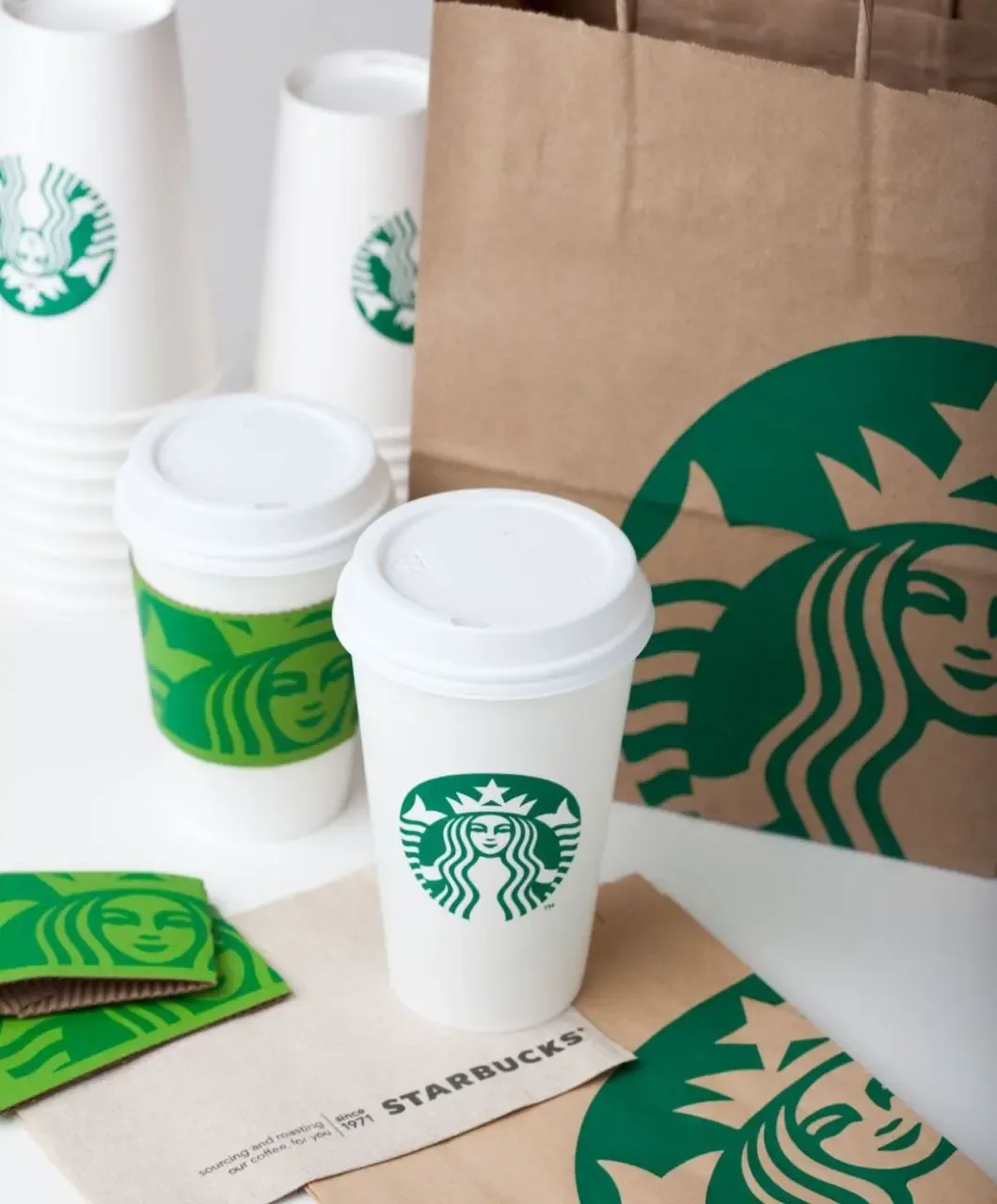
Logo, colours, typography and photography together create a visual identity that stays in memory and builds recognition.
3. Design increases conversion
In e-commerce, where there is no physical contact with the product, the site’s design and the product presentation become the salespeople.
A clear structure, beautifully photographed products, carefully chosen colours – all of it raises the chance that the buyer says “yes”.
4. Coherent design builds a brand – and justifies the price
Buyers are willing to pay more for a brand that feels serious, consistent and aesthetically “clean”. Good design:
- increases the sense of exclusivity
- positions the product above the competition
- enables premium prices without losing trust
Design is not a luxury. Design is an investment.
In the age of visual communication, a product without strong design is like a good book without a cover — it may be valuable, but it stays unread.
Examples of redesigns that raised a brand’s value
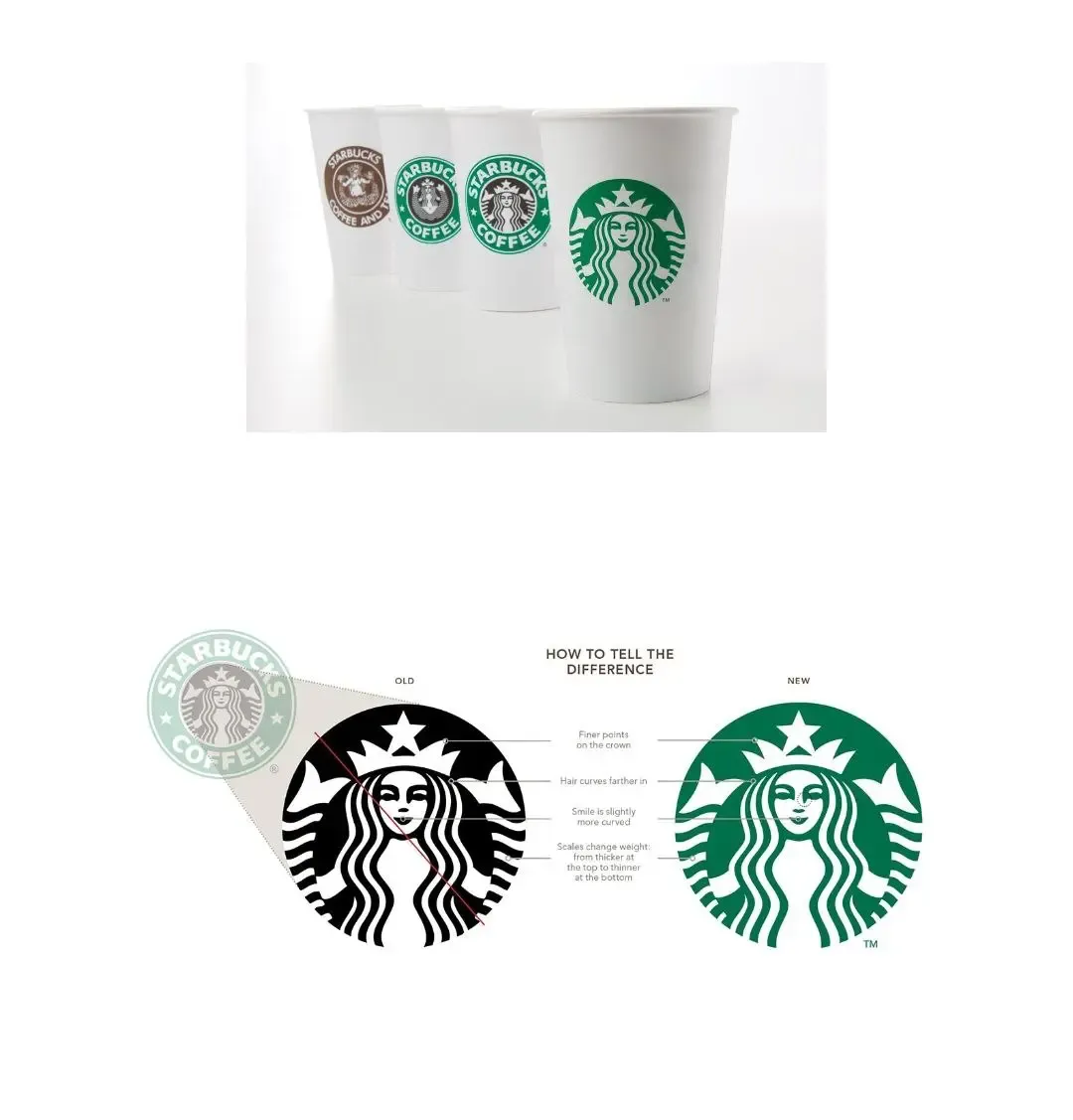
1. The Starbucks case and the minimised logo
The Starbucks example shows how big a role product design plays.
Before: the Starbucks logo carried the full text (“Starbucks Coffee”) and a denser design. Packaging differed from country to country.
After:
- They removed the text and kept only the siren symbol
- They introduced a single visual language
- They simplified the packaging design
Result:
- Global recognition without words
- The brand became a “lifestyle”, not just coffee
- Easier expansion into new market niches (e.g. products for the home)
2. The LEGO case – from losses to global leader
LEGO drifted away from its core value, the brick and free creative play, in an attempt to expand in every direction – video games, clothing, TV shows, robots, theme parks…
They were on the edge of bankruptcy – they had lost market share, focus and customer loyalty.
In the early 2000s LEGO recorded losses of over 300 million dollars.
The company recognised the need for change and focused on its core values – creativity and play.
By introducing themed sets such as LEGO Star Wars and launching LEGO films, the brand went through a renaissance and became one of the most successful toy makers in the world.
The focus returned to the best-selling and most creative sets.
They revived the design and the brand through collaborations with strong brands – LEGO Star Wars, Harry Potter, Batman.
These franchises brought huge sales growth and a new audience.
A modular, clean design was introduced, and the visual identity became uniform and globally applicable.
LEGO invented nothing new. It just refreshed what people already loved, and presented it in a way that is visually, emotionally and commercially relevant.
Lessons for your business
- Simplicity sells – you do not have to offer everything; you have to offer the right thing
- Design is much more than looks – it is feeling, message, identity
- A good brand tells a story – and builds a community through emotion
- A consistent visual identity builds trust and sets you apart from the crowd
- A redesign is not a sign of weakness — it is a sign of maturity and awareness